You maintain meticulous cleaning standards throughout your home—vacuuming regularly, wiping down counters religiously, and ensuring no food remains accessible overnight. Despite these efforts, you flip on your bathroom light one evening only to witness a large, fast-moving cockroach scurrying across the floor. This jarring encounter leaves you questioning everything you thought you knew about pest prevention and wondering how such an unwelcome visitor found its way into your spotless living space.
This scenario highlights why cockroach control for American cockroaches often confuses even the most conscientious homeowners. Unlike many pests that primarily seek food sources, American cockroaches have complex attraction factors that extend far beyond leftover crumbs or dirty dishes. Understanding these underlying attraction mechanisms helps explain why thorough cleaning alone may not prevent their appearance and guides more effective prevention strategies.
What Are American Cockroaches?
American cockroaches (Periplaneta americana) represent one of the largest cockroach species commonly encountered in residential settings, with adults measuring 1.5 to 2 inches in length. These distinctive insects display reddish-brown coloration with a characteristic yellowish band located behind their head, along with prominent antennae and fully developed wings that enable limited flight capabilities.
Preferred environmental conditions: American cockroaches thrive in consistently warm, humid environments that maintain temperatures between 70-80°F with elevated moisture levels. They actively seek dark, undisturbed spaces where human activity remains minimal, allowing them to establish secure harborage areas for nesting and reproduction.
These insects demonstrate remarkable adaptability to areas containing water sources or organic materials, even in minute quantities that seem insignificant to human observers. Their attraction to moisture supersedes their interest in traditional food sources, explaining their frequent appearance in bathrooms, laundry rooms, basements, and other water-rich environments.
Geographic and historical context: Despite their common name suggesting American origins, these cockroaches likely arrived from Africa or Asia several centuries ago through global trade routes. They’ve since established extensive populations throughout the southeastern United States, where warm, humid climates provide ideal conditions for year-round activity and reproduction.
Their outdoor survival capabilities distinguish them from strictly indoor species, enabling them to maintain populations in sewers, storm drains, and landscape areas while opportunistically accessing indoor environments when conditions become favorable.
Why Clean Homes Still Get Them
While maintaining excellent sanitation standards certainly helps reduce pest attraction, American cockroaches prioritize environmental factors beyond simple cleanliness. These insects actively seek specific conditions that many clean homes inadvertently provide, explaining why spotless houses can still experience unwanted cockroach visits.
Primary attraction factors include:
- Moisture sources: Plumbing leaks beneath sinks or behind major appliances create ongoing water availability that American cockroaches find irresistible. Condensation accumulation from HVAC systems, cold water pipes, or refrigerator coils provides sufficient moisture to sustain populations even without visible standing water.
- Structural harboring opportunities: Floor drains in utility areas or basements offer direct access routes from sewer systems while providing dark, humid conditions ideal for cockroach survival. Stored cardboard boxes and paper products in bulk quantities create excellent nesting materials and temporary shelter locations.
- Access points: Foundation cracks, gaps around utility penetrations, spaces beneath doors without proper sweeps, and openings around baseboards or wall junctions provide entry routes that remain undetected during routine cleaning activities.
- Environmental conditions: Areas maintaining consistent warmth and humidity—such as water heater closets, laundry rooms, or poorly ventilated bathrooms—create microenvironments that support cockroach survival regardless of overall home cleanliness.
Even minimal amounts of organic residue, grease deposits, or moisture accumulation in these target areas provide sufficient resources to attract and sustain American cockroach populations that establish themselves in concealed locations away from frequently cleaned surfaces.
Where They Usually Get In
American cockroaches maintain extensive outdoor populations in sewers, storm drains, and landscaped areas, making them frequent invaders when environmental conditions drive them toward indoor shelter. Their large size and strong mobility enable them to exploit entry opportunities that smaller species cannot access.
Typical entry pathways:
- Gaps around exterior plumbing lines, electrical conduits, and utility penetrations
- Damaged or inadequately screened dryer vents and crawl space openings
- Floor drains connected to municipal sewer systems with dried-out traps
- Spaces beneath exterior doors lacking proper sweeps
- Foundation cracks and gaps where different building materials meet
- Broken window screens and damaged ventilation openings
Their exceptional mobility—including climbing capabilities and limited flight ability—enables access to elevated entry points that restrict other cockroach species like German cockroaches or brown-banded cockroaches.
The Role of Humidity and Heat
Environmental conditions play a more significant role in American cockroach attraction than food availability, with moisture and warmth serving as primary factors determining whether your home becomes a target for infestation.
High-risk moisture zones include drip pans beneath refrigerators, washing machine drain areas, water heater closets, and HVAC equipment producing ongoing condensation. Plumbing-related locations such as embedded foundation systems, bathtub installations, and areas with pipe condensation create ideal microenvironments. Poorly ventilated bathrooms, laundry areas, and basement spaces with humidity control issues provide optimal conditions.
Homes built on concrete slabs with embedded plumbing often experience persistent moisture around foundation joints, particularly in warmer climates. Summer humidity, post-rainfall periods, and extensive HVAC operation can create temporary moisture spikes that attract cockroaches seeking optimal environmental conditions.
Sanitation Isn’t Always Enough
Effective American cockroach prevention requires comprehensive strategies addressing environmental factors rather than relying solely on surface-level cleaning practices. These approaches target the specific conditions that attract and sustain cockroach populations in otherwise well-maintained homes.
Key prevention strategies:
- Deep clean around and beneath major appliances where moisture accumulates.
- Remove cardboard daily and store pet food in sealed containers.
- Seal gaps around baseboards, utility penetrations, and foundation junctions with caulking.
- Improve ventilation in humid areas through exhaust fans or enhanced air circulation.
- Repair plumbing leaks promptly and address condensation issues around pipes.
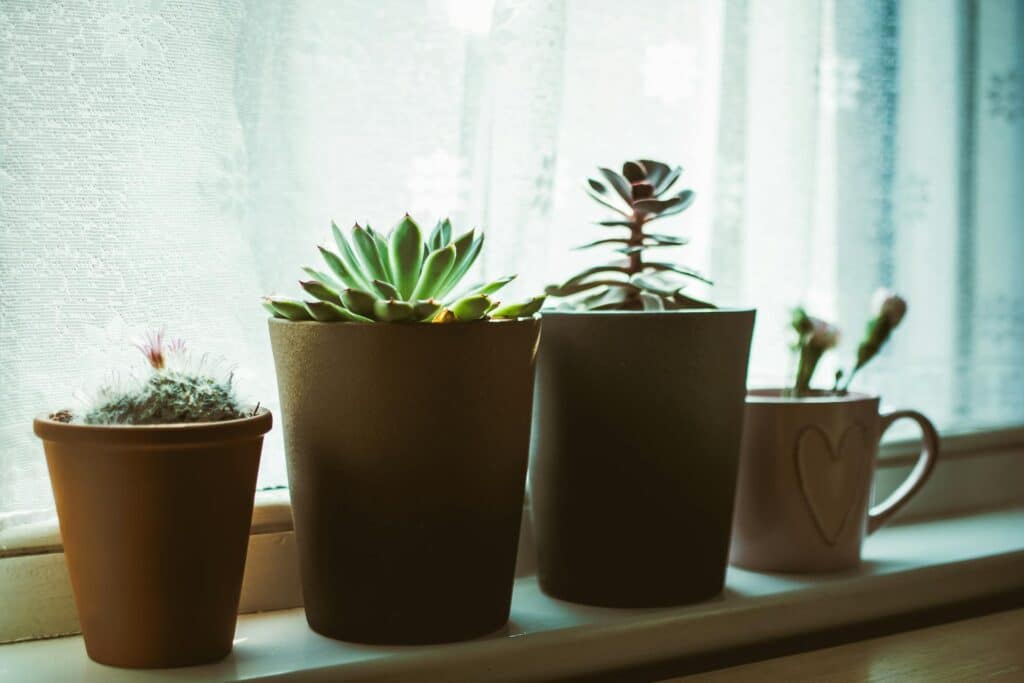
- Monitor indoor plant care to prevent soil oversaturation.
- Inspect undisturbed areas behind appliances and within utility closets regularly.
These comprehensive approaches address root environmental factors enabling American cockroach establishment.
When to Take the Next Step
When dealing with persistent American cockroach problems in your clean home, Aptive’s pest control experts can help. Our pest control service will perform a detailed inspection to assess the situation and develop a customized treatment plan based on the specific environmental factors attracting these large roaches despite your sanitation efforts. We’ll identify whether you’re dealing with moisture issues in bathrooms and laundry areas, humidity problems around appliances, or structural vulnerabilities like floor drains and utility penetrations that provide entry routes from outdoor populations.
If you’re finding American cockroaches in your spotless home despite maintaining excellent cleaning standards, contact Aptive today for a free quote. Our experts will evaluate your specific environmental conditions and recommend the most effective solutions to eliminate these moisture-seeking invaders and protect your clean home from future intrusions.
American Cockroach Attractants FAQs
Here are some common questions homeowners ask when American cockroaches are attracted to their clean homes.
Q: How do I know if I have an American cockroach infestation?
Look for large, reddish-brown cockroaches (1.5-2 inches) in moisture-rich areas like bathrooms, basements, and laundry rooms. Key signs include dark, capsule-shaped droppings along baseboards, musty odors in humid areas, shed skins near harborage locations, and nighttime sightings when you turn on lights. You might also notice grease marks along walls or damage to cardboard storage materials where they nest.
Q: Are American cockroaches dangerous?
While American cockroaches don’t bite or sting, they pose health risks by carrying bacteria and pathogens on their bodies. They can contaminate food preparation surfaces, dishes, and stored items as they travel from sewers and drains into your home. Their shed skins and droppings can trigger allergic reactions and asthma symptoms, particularly in sensitive individuals like children and elderly family members.
Q: Are there particular items that attract American cockroaches?
American cockroaches are primarily attracted to moisture sources rather than specific food items. Key attractants include leaking pipes, condensation around appliances, floor drains, cardboard storage materials, and organic debris in humid areas. Unlike other roaches, they’re less interested in food crumbs and more drawn to water sources, warm environments, and damp organic materials like wet cardboard or decaying plant matter.